YouTube for Brands: How to Build a Business Growth Engine

With over 2.5 billion monthly active users, YouTube is the world’s largest online video platform and the second most widely used search engine globally. For brands, it is no longer just a secondary distribution network for television commercials; it is a primary theater for customer acquisition and business growth.
However, many media brands and corporate teams hit a growth plateau because they rely on creative intuition rather than structured systems. A high-quality video c on a topic with ro market demand will inevitably yield zero views.
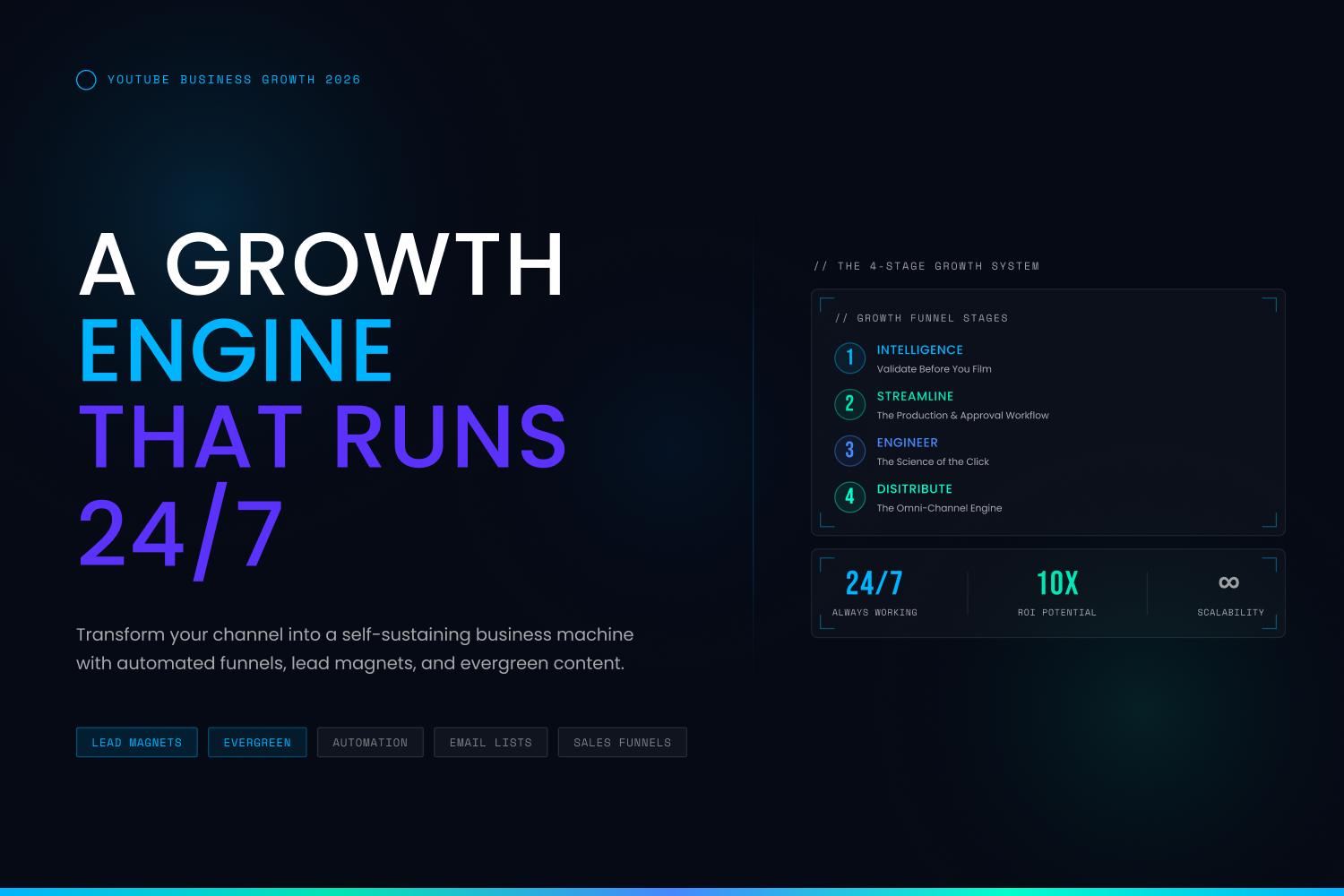
To transform your YouTube channel from a simple content repository into a predictable, scalable business growth engine, you need to treat it like a digital product. Here is the strategic framework and the exact tools brands are using to scale in 2026.
1. Algorithmic Intelligence (Validate Before You Film)
Most brands make the mistake of creating a video and then trying to force it into search algorithms using post-production SEO. True growth happens when data informs the production process before a single frame is recorded.
- Outlier Detection: Instead of guessing what your audience wants, look for "outliers." Tools like OutlierKit scan millions of data points to identify specific videos performing 5 to 10 times above their channel’s historical average. This allows you to surface low-competition keywords with proven viewer demand before you commit your production budget.
- SEO Optimisation: Once your topic is validated, use platforms like Vixxi, vidIQ or TubeBuddy. These tools act as optimiation co-pilots, providing you with keyword scoring, tag suggestions, and AI-powered ideas to ensure your videos actually rank in search results.
2. Streamline the Production & Approval Workflow
As a brand’s channel scales, the complexity of production increases exponentially. Without proper infrastructure, delayed publishing schedules and miscommunication are inevitable.
- Brand-Safe Scripting: Maintaining a consistent corporate voice is vital. AI tools like Jasper include a "Brand Voice" feature that scans your company's existing content to ensure all AI-generated scripts maintain your exact tone and style.
- Frame-Accurate Collaboration: Say goodbye to confusing email threads with timestamped feedback. Post-production review platforms like Krock.io or Frame.io allow multiple stakeholders and clients to leave frame-accurate, time-stamped feedback directly on the video file.
- Video Asset Management (VAM): Enterprise brands dealing with massive 4K files and 3D models should utilise systems like Orange Logic or Canto. These platforms provide AI facial recognition to tag talent, manage digital rights, and keep massive corporate media libraries perfectly organied.
3. Visual Engineering (The Science of the Click)
Your title and thumbnail are not just the "wrapper" for your video; they represent the actual product the viewer is deciding whether to consume. A poorly performing thumbnail can cut your video's potential viewership by 50% or more, even if the actual video is excellent.
- A/B Testing is Mandatory: Brands cannot rely on the subjective intuition of a graphic designer. You must implement rigorous A/B testing. Tools like ThumbnailTest and TubeBuddy's Legend plan allow you to upload multiple variations of a thumbnail and title, automatically rotating them to measure which visual elements generate the highest Click-Through Rate (CTR). This scientific approach ensures your brand is converting maximum impressions into views.
4. Ecosystem Distribution (The Omni-Channel Engine)
A long-form YouTube video should not be a singular endpoint. It is a foundational asset that should fuel your brand's broader digital ecosystem.
- Automated Repurposing: A single 10-minute video can be systematically segmented into dozens of short-form assets. Use AI platforms like OpusClip or Vizard.ai to automatically identify the most engaging moments from your long-form broadcasts, reframe them vertically, and add trending captions for YouTube Shorts, TikTok, and Reels.
- Centralised Scheduling: Distribute these assets using enterprise-grade social media management platforms like Sprout Social or Hootsuite. These platforms allow you to schedule videos across multiple networks from a single dashboard while utiliing a unified "Smart Inbox" to manage high-volume community engagement.
- Community Monetisation: Finally, transition your most loyal viewers off YouTube to build proprietary revenue streams. Platforms like Kajabi or Circle.so allow you to build white-labeled community hubs where you can host courses, paid masterminds, and exclusive memberships entirely under your brand's control.
By integrating data-driven topic validation, streamlined approval workflows, rigorous A/B testing, and automated distribution, your brand’s YouTube channel will cease to be a guessing game and will transform into a highly efficient growth engine.
If you liked that why not take a look
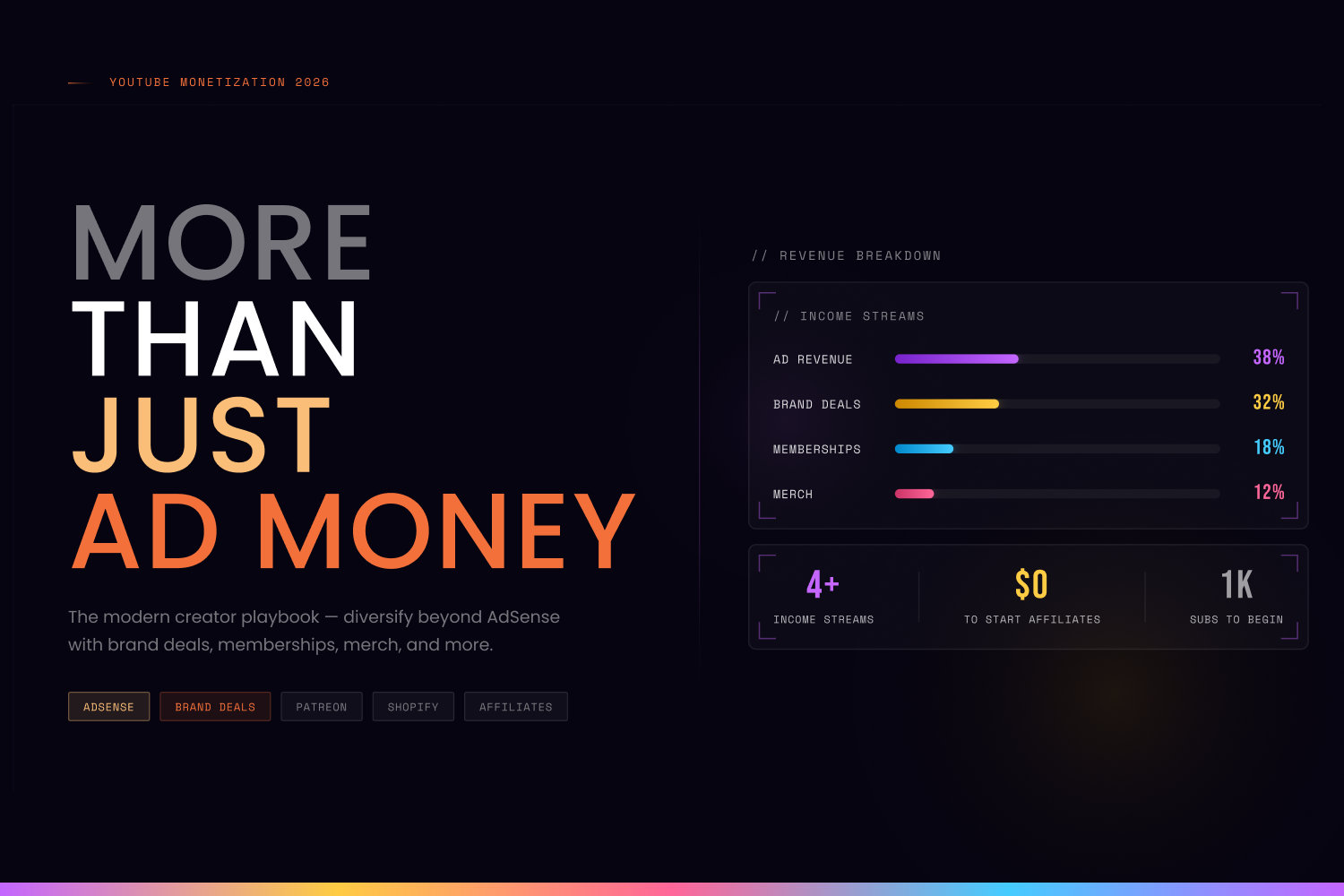
How to Monetise Your YouTube Channel in 2026 (Hint: It’s Not Just Ad Revenue)
Ready to turn your YouTube channel into a profitable business? Discover the top strategies and tools for 2026, from YouTube BrandConnect and Shopify integrations to Uscreen and Pat
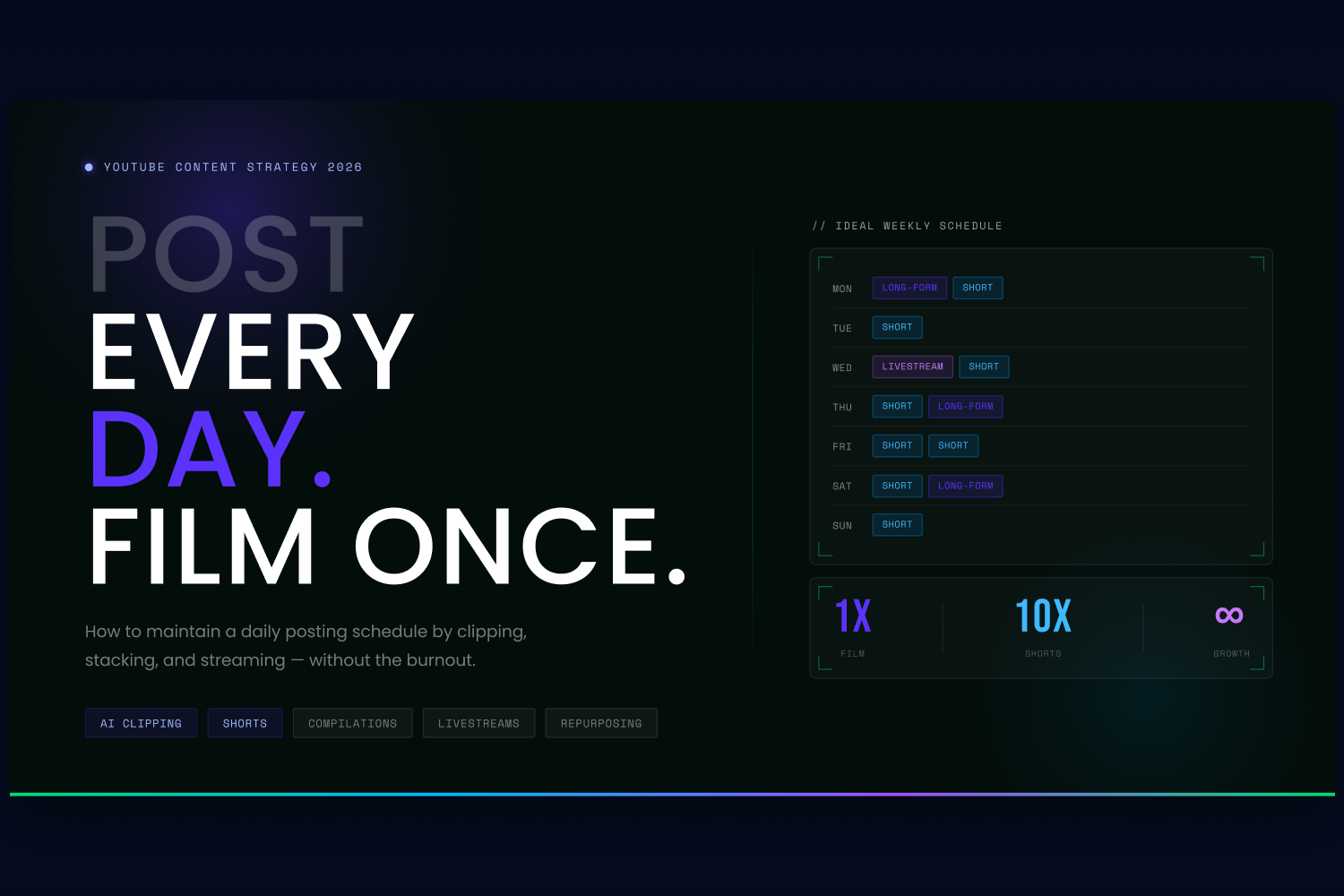
How Often Should You Post on YouTube? (Hint: Work Smarter, Not Harder)
Wondering how often to post on YouTube? Discover how to use AI clipping tools, video compilations, and livestreams to post daily without burning out.

How to Write YouTube Titles That Get Clicks (2026 Guide)
Learn how to write compelling YouTube titles that maximise your Click-Through Rate (CTR). Discover top keyword strategies, structural formulas, and AI tools like vidIQ to boost your views.
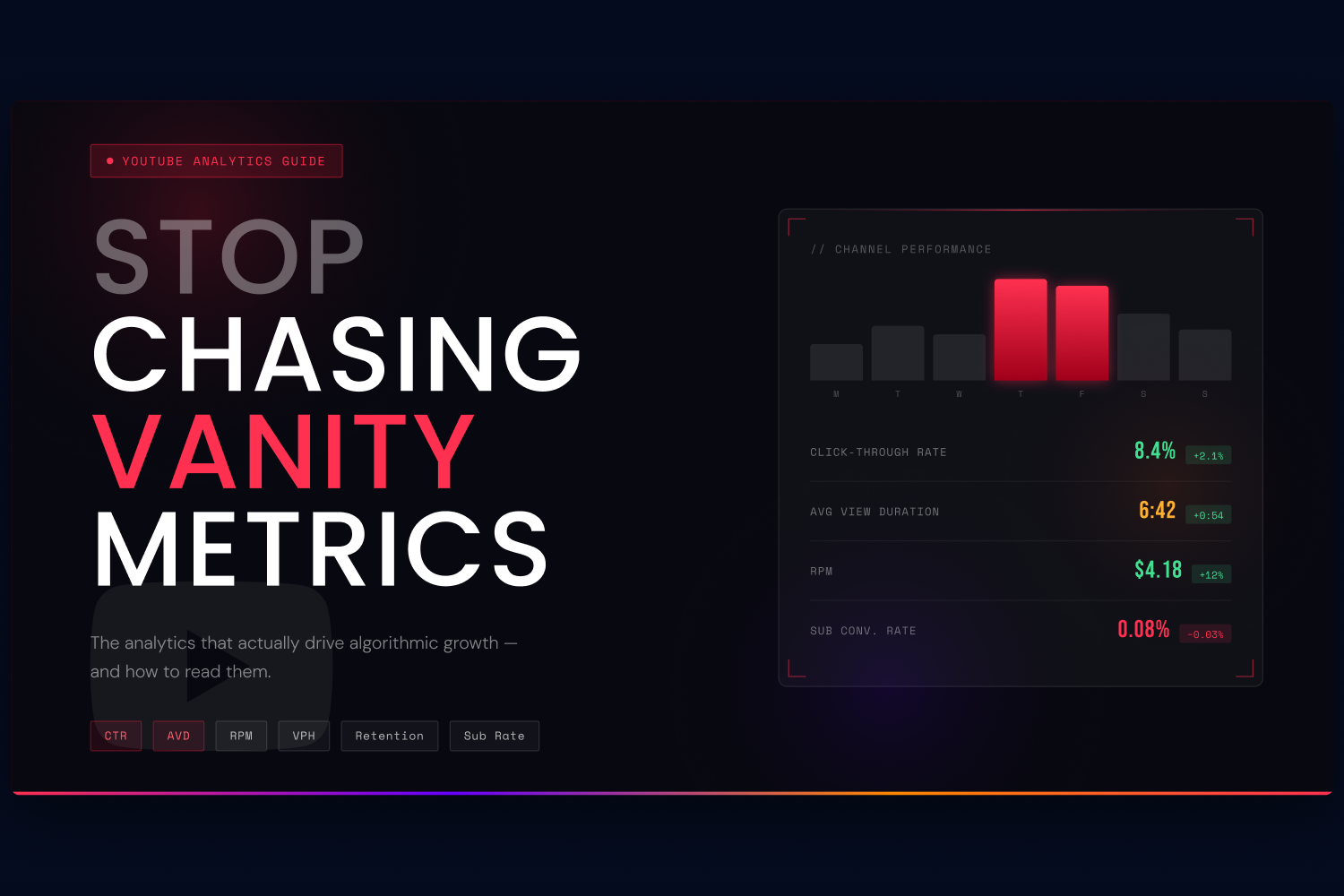
YouTube Analytics: The Metrics That Actually Matter
Stop obsessing over view counts. Learn the YouTube analytics metrics — CTR, AVD, RPM, and more — that the algorithm actually uses to promote or bury your videos.

YouTube Optimisation vs Channel Management: What's the Difference?
YouTube video optimisation focuses on individual videos. Channel management covers your entire channel strategy. Here's how they differ, what each costs, and which one you actually need.
How Much Does YouTube Channel Management Cost in 2026?
YouTube channel management typically costs £1,500-£5,000+/month depending on the model. We break down retainers, revenue shares, and credit-based pricing — and what to watch out fo

Ready to maximise your YouTube revenue?
Get in touch and let’s begin exploring your channel’s hidden potential.